


For over a year, the transcripts and the testimonies that form the backbone of this investigation have sat on my desk, a heavy and silent weight of paper that refused to be ignored. I resisted the urge to publish sooner, not for lack of evidence, but for a lack of context—a suspicion that the contradictions I saw on the page were only the tip of a much deeper, more systemic rot. It was only after my most recent journey through Kosovo, and a series of candid, often guarded conversations in the power corridors of Berlin, London, and Washington, that the missing pieces began to click into place.
What I discovered in those capitals was a shared, weary recognition of a man who has played all sides of a tragedy.
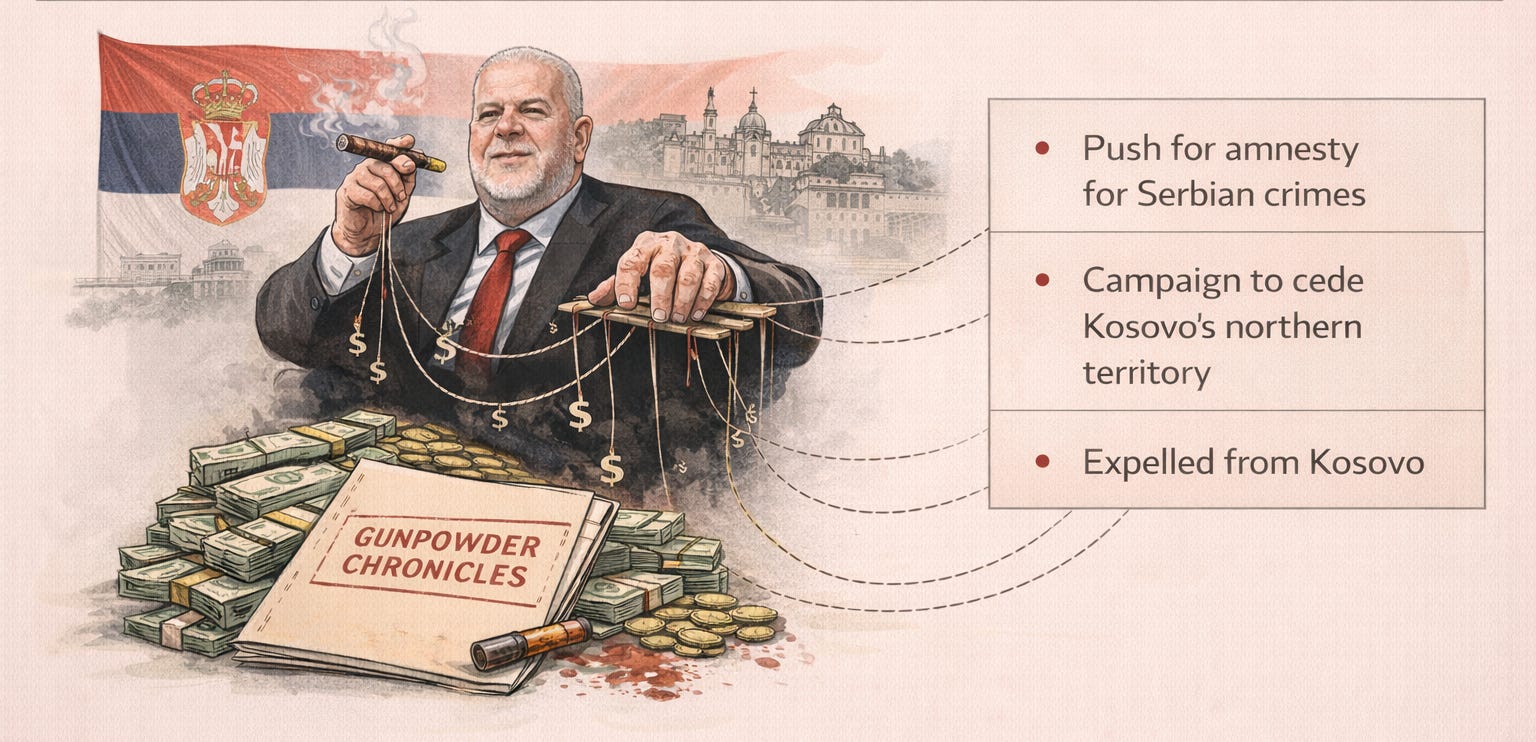
The Gunpowder Chronicles is not merely a revisit of old wounds; it is the result of a year spent chasing the whispers that follow Haxhiu across borders. From the quiet admissions of retired diplomats to the searing resentment of those who truly bled for Kosovo’s freedom, the picture has finally clarified. The evidence didn’t change, but my understanding of the mission behind it did. Now, the stories from behind his curtains can no longer remain in the shadows.
