

War’s Terrifying Beauty: Remembering Paul Lowe
Paul Lowe captured war’s scars with both compassion and artistry. We debated fiercely: Is photojournalism art or truth? His legacy leaves the question unanswered. Rest in Peace Paul.

Dr. Paul Lowe's untimely death has cast a long shadow over the world of photojournalism—a field he fiercely championed, shaping not only its practitioners but its very essence. For me, as a student in the MA Photojournalism and Documentary Photography program at the University of the Arts London in 2017/18, Paul was more than just the head of the department. He was a mentor, a man whose life was a testament to the power of images to bear witness to history's darkest moments. Yet, Paul was also someone with whom I often disagreed, our debates framed by the delicate and difficult intersection between the visual and the verbal, between photojournalism and art.
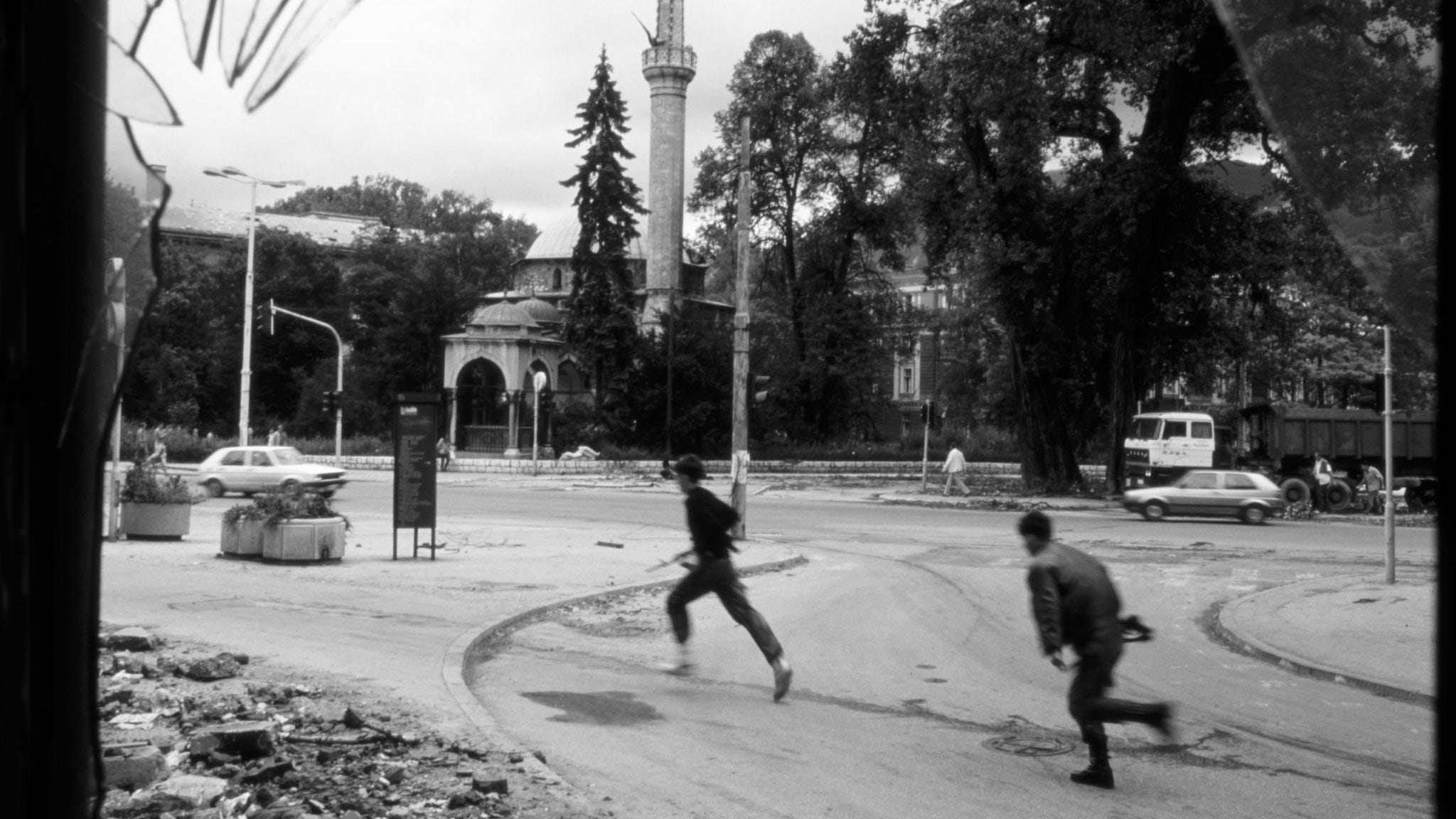
Paul’s body of work from Sarajevo, where he famously captured the agony of a city under siege, stands as one of the most enduring testaments to the power of images to affect change. His photographs weren’t merely documents; they were pleas for humanity. He would often speak of the strange beauty in destruction—the jagged edges of war-torn buildings, the scars of shrapnel on streets and walls, the makeshift barricades that were simultaneously frail and defiant. But for Paul, these weren't just pictures. They were history. They were the indelible scars of conflict etched onto the landscape of Bosnia. In many ways, the city became a second home for him, much as it became a graveyard for others
It was during my time at the London School of Communication that I got the chance to speak with Paul about his experiences in Kosovo, my home country. He had been there, camera in hand, at a time when the world was still waking up to the horrors unfolding in the Balkans. Our conversations were brief but charged with emotion. He understood, perhaps better than most, the trauma of seeing your homeland in ruin, the helplessness that comes from knowing the stories you want to tell are too heavy for words. And yet, we disagreed profoundly on one fundamental issue: the nature of photojournalism itself.

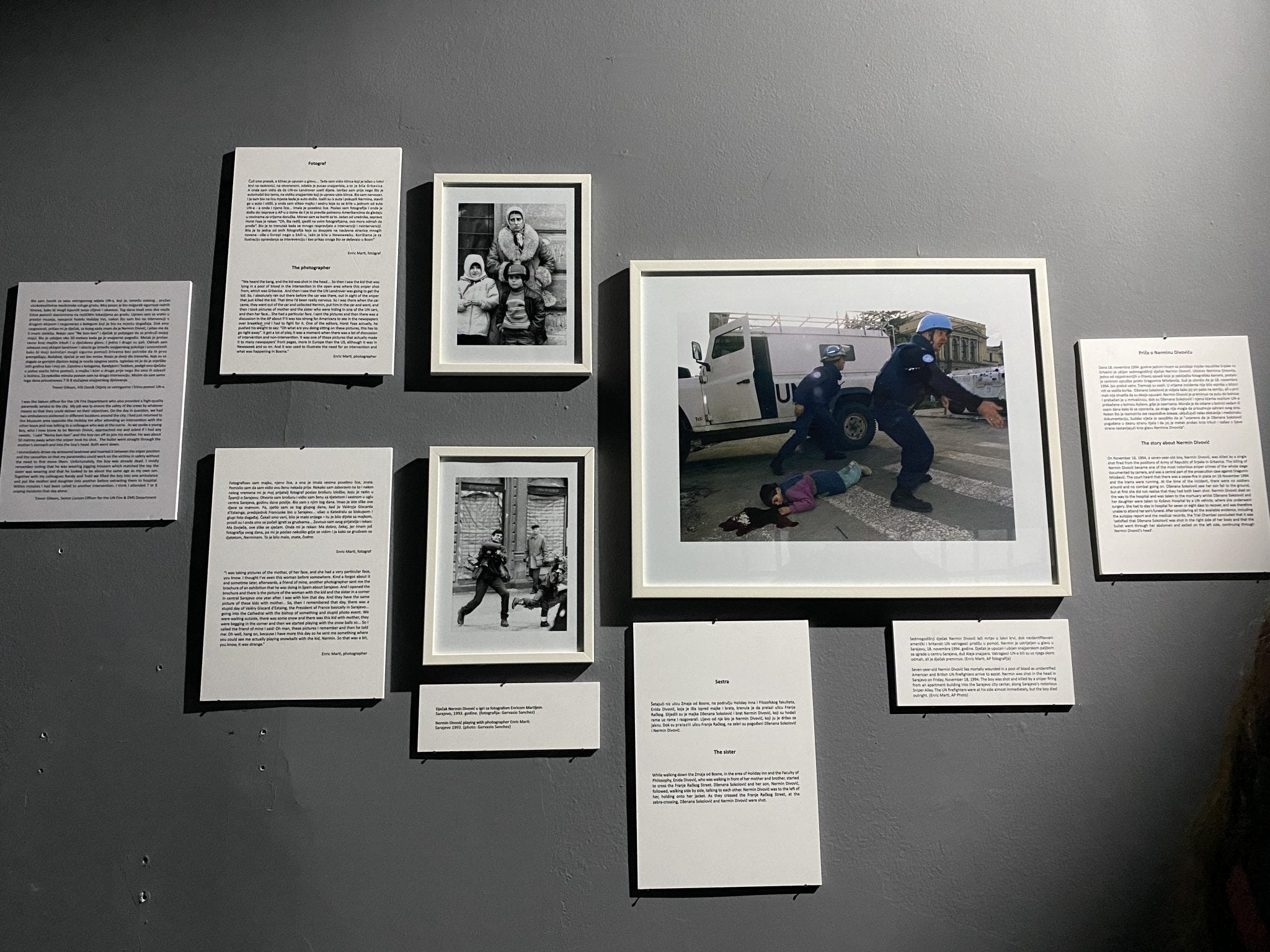
Paul believed in the blurred lines between photojournalism and art. He spoke often about the "terrifying beauty" of war—how the chaos and devastation of conflict could evoke something both unsettling and compelling. His exhibition “Scars,” which was presented at the Historical Museum of Bosnia and Herzegovina, embodied that philosophy. The large-format photos, 25 years after they were taken, were a haunting meditation on time, destruction, and memory. For Paul, these images had an aesthetic quality, one that transcended their documentary purpose. But I could never accept that.
Our arguments, respectful yet fierce, revolved around my steadfast belief that photojournalism is not art. It is journalism—pure and unadorned. It is a form of visual storytelling that does not allow for the romanticisation of suffering, the aestheticisation of tragedy. To me, capturing war with a camera is a moral duty, one that must remain grounded in the truth of the moment, unfiltered by artistic interpretation. The photographer’s role, I argued, was to be the eyes of the world, to capture history as it unfolds—without transforming it into something else.
Paul, though, saw it differently. For him, there was no clear boundary between documenting and creating. He believed the photographer was not just a passive witness but an active interpreter of the world, shaping what they saw through the lens of their own experience. It was a perspective I could respect but never fully embrace. For me, photojournalism is a tool of truth, not of artistic expression. Yet in the space between our differing philosophies, I learned something invaluable from Paul—how to look deeper, how to question the assumptions that come so easily when you’re standing behind the camera.
Paul’s passing is a loss not just for those who knew him, but for everyone who believes in the power of images to provoke, to challenge, and to bear witness. His work, from Sarajevo to Kosovo, reminds us that history is not something that can be forgotten, nor should it be. His photographs remain a powerful reminder of the human cost of conflict, their impact as sharp today as when they were first captured.
As we mourn his loss, I find myself reflecting on the many layers of his legacy. He was a photographer, a teacher, a father, and a friend. But perhaps more than anything, Paul was a man who understood that to look at war is to see the very worst of humanity—and yet, in those moments of darkness, he sought out the light. He taught me that even in disagreement, there is value in listening, in pushing the boundaries of what we know, and in embracing the discomfort that comes from challenging our own beliefs.
Rest in peace, Paul.
The world is darker without your lens to illuminate it, but the images you leave behind will continue to speak for you, long after the shutter has closed.
Frankly,
Vudi