


Content Warning: This article contains graphic images depicting the realities of war, including scenes of deceased soldiers. Reader discretion is advised.
The Archaeologist Turned Commander
On a crisp September morning in 2022, I first met Captain Lang as he led his artillery unit through the forests of the Kharkiv region. It was the early days of Ukraine's counter-offensive, and Russian forces had begun a hasty retreat after months of occupation. The land bore the scars of war, destroyed vehicles, burnt-out shells of buildings, and the constant hum of artillery fire in the distance. But it was in these desolate surroundings that Lang stood as an embodiment of resilience, a man transformed by war yet deeply introspective.
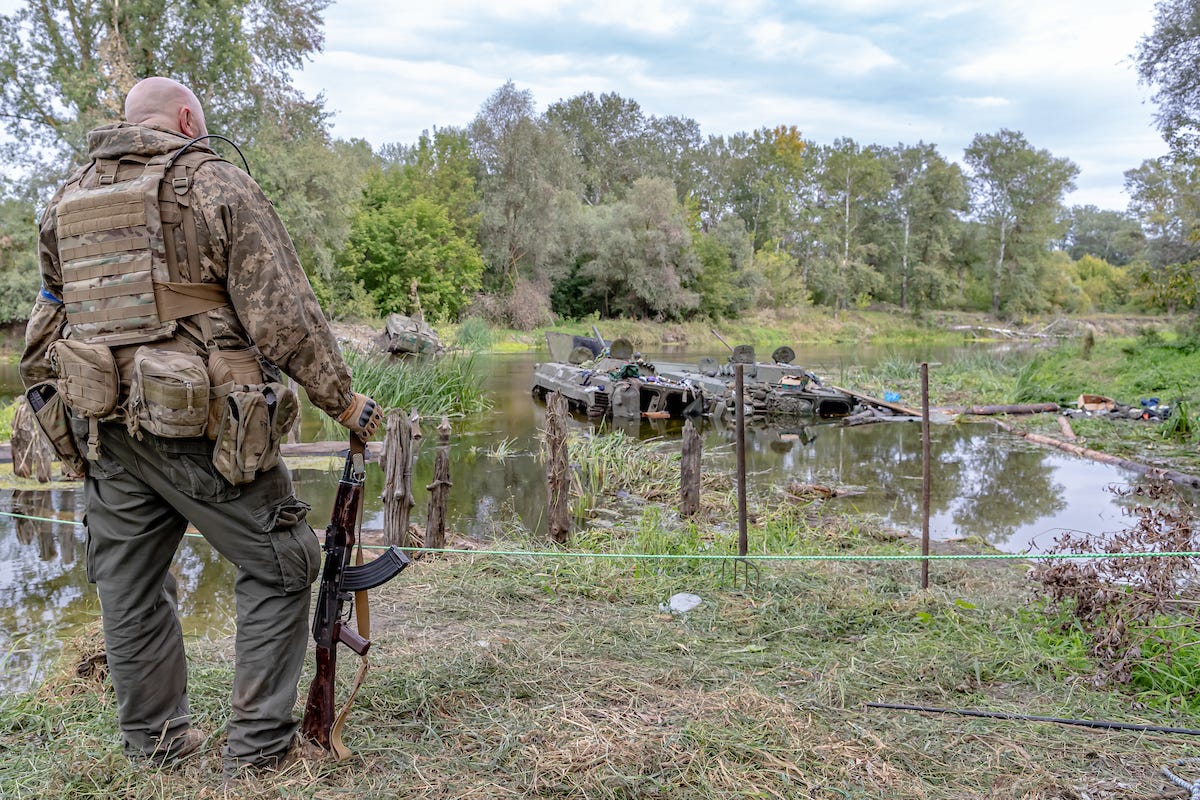
Lang’s journey into this war is not what one would expect of a commanding officer. He did not come from a long line of military men, nor did he grow up in a household that glorified warfare. Instead, Lang was once an archaeologist, a man devoted to uncovering Ukraine’s ancient past. His passion lay in the soil, in excavating artefacts and piecing together stories of civilisations long gone. But as the Russian invasion began in 2014, his focus shifted. "It wasn’t about history anymore," he told me during our first conversation. "It was about fighting for the future." And so, Lang traded his tools of excavation for the tools of war.
His transition into the military was as abrupt as the war itself. By 2022, Lang had risen through the ranks to command an artillery unit, and it was in this capacity that I met him for the first time. We were walking through the trees toward the Siverskyi Donets River, where Ukrainian forces had just bombed Russian positions and forced the enemy into retreat. The scene that unfolded was surreal. Along the riverbank, three abandoned Russian tanks sat eerily still, their reflection shimmering in the calm waters. Russian troops had fled just days earlier, leaving behind their dead and the wreckage of their armoured vehicles, many of which had drowned in the river.
Lang moved through the trees with a quiet determination. His demeanour was one of focus, his movements purposeful. As we approached the river, he paused, surveying the scene with a practised eye.
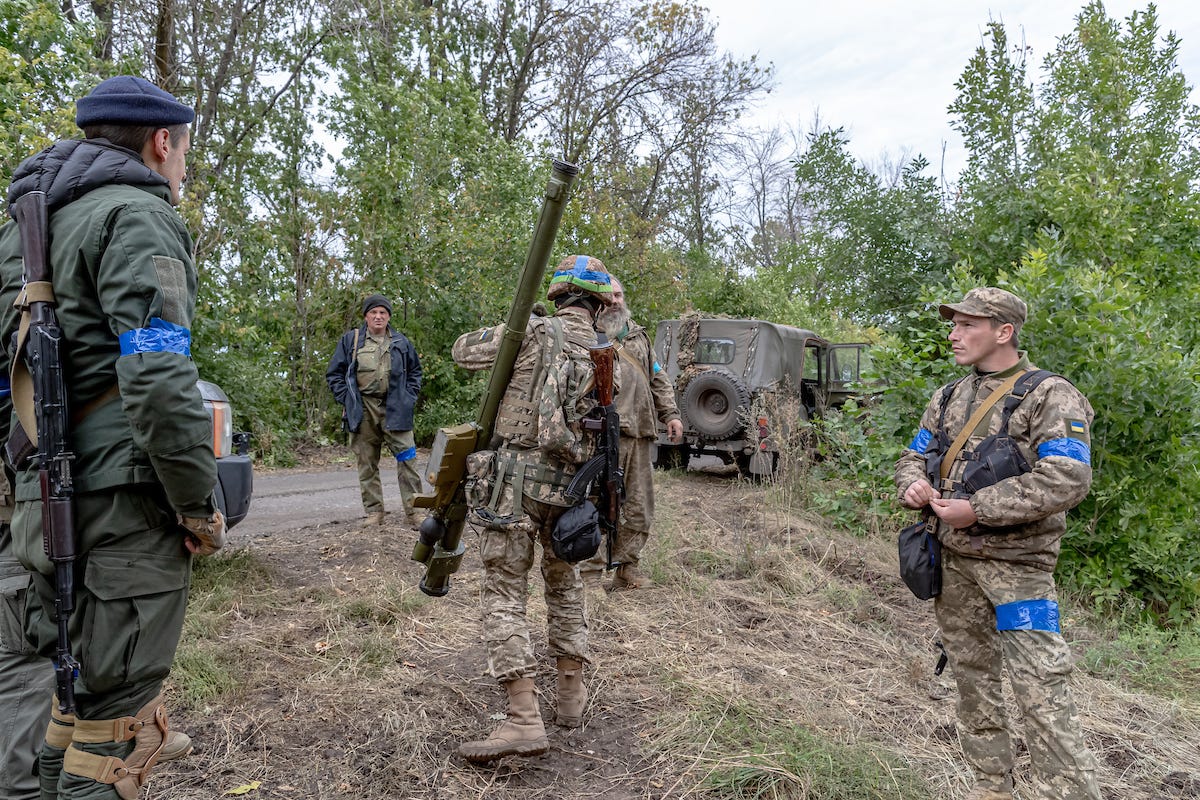
"They had good positions," he remarked, more to himself than to me.
His tone was calm, clinical, this was not a man who took joy in victory, but one who understood the costs that came with each battle.
Two days earlier, on September 8, 2022, Russian troops had fled the Kharkiv region following a relentless counter-offensive by Ukrainian forces. The battle for the region had been fierce, but Lang’s artillery unit had played a crucial role in driving the enemy back. The counter-offensive was one of Ukraine’s first major victories since the full-scale invasion began on February 24, 2022, a moment that sent ripples of hope across the country. But for Lang, this was just another day in a war that showed no signs of ending.
As we walked along the riverbank, Lang explained how the battle had unfolded. His unit had targeted the Russian artillery positions, weakening their defences before Ukrainian infantry moved in to sweep through.
"They fought hard, but we broke them," he said simply.
The casualties were significant, bodies of Russian soldiers lay scattered near the river, a stark reminder of the brutal cost of war.
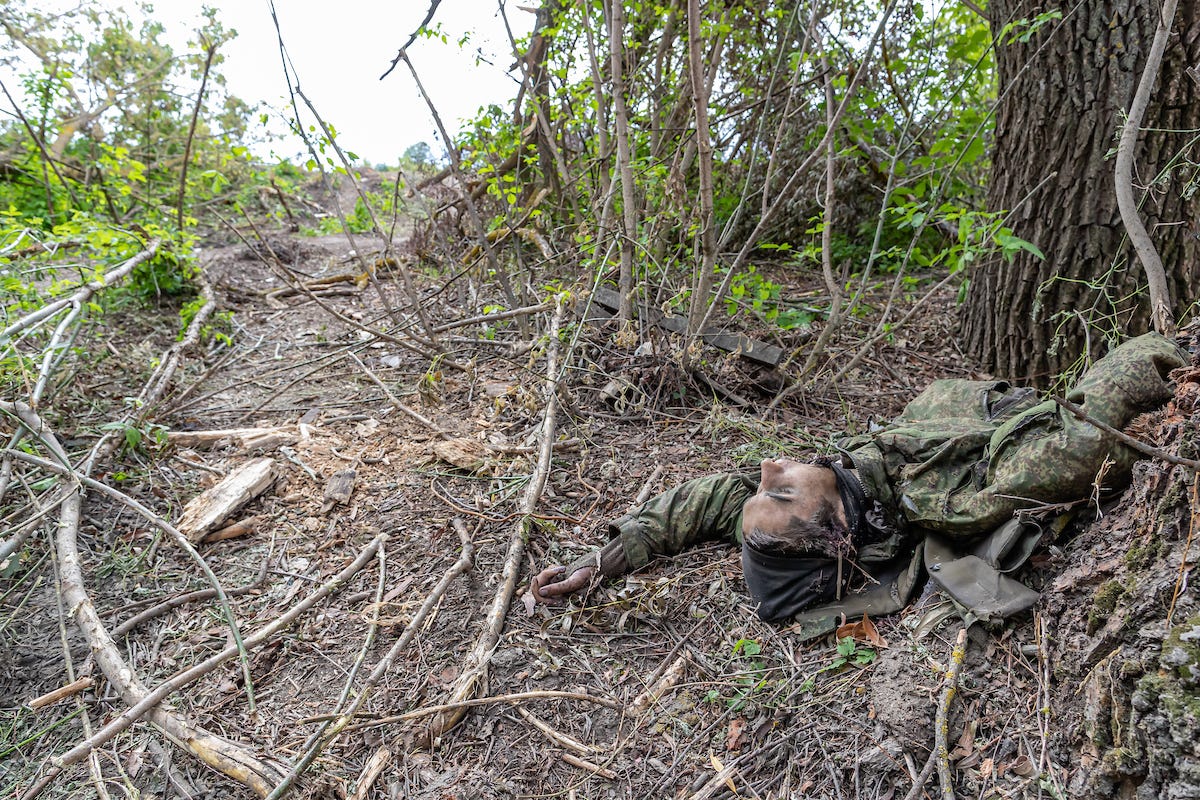
Lang was pragmatic about these losses. "War isn’t about glory," he told me as we stood near the wreckage of a Russian tank. "It’s about doing what needs to be done to survive."
This was the essence of Captain Lang, a man who understood that each battle, each victory, was just a moment in the larger war. There was no time for celebration. Only reflection.
For Lang, the war was deeply personal. He had seen his country torn apart by Russian aggression, and he had committed himself fully to the fight for its survival. But as we spoke, it became clear that his connection to this conflict ran deeper than just patriotism. It was about protecting the land, the people, the history that had shaped him.
Over the years, Lang had evolved into a soldier whose battlefield was not only physical but also moral. He had traded his role as a protector of Ukraine’s ancient past for the role of a defender of its uncertain future. And as we stood on the edge of the river, watching the sun set over the battlefield, it became clear to me that Captain Lang’s fight was as much about the soul of Ukraine as it was about defeating the Russian forces before him.
If you’ve appreciated this glimpse into Captain Lang’s extraordinary journey, I invite you to consider becoming a paid member. The upcoming three parts of this reportage will be available exclusively to subscribers. Your support is vital in helping me remain independent and continue bringing you stories from the frontlines that matter.
Thank you for being part of this journey.
https://open.substack.com/pub/frontpow/p/the-war-that-never-ends-ukraines?r=2f2cil&utm_campaign=post&utm_medium=web&showWelcomeOnShare=true